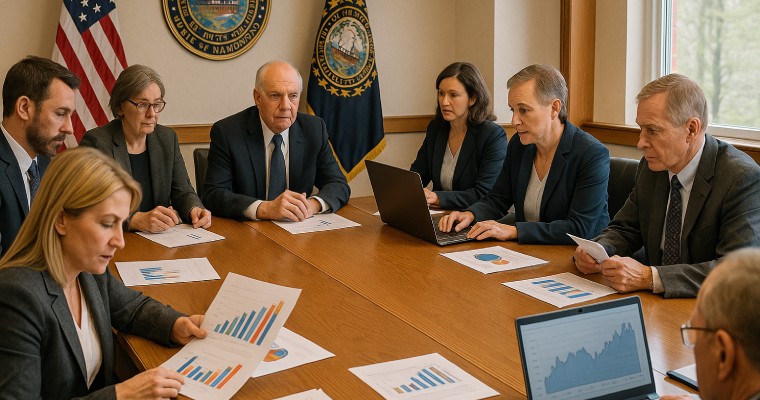
The New Hampshire finance budget is one of its largest responsibilities. Legislators must balance competing interests while ensuring key services such as education, healthcare, and housing. Since budget decisions affect residents’ daily lives, it is important that citizens follow the discourse and understand resource allocation.
The process usually begins with applications from the governor's office to legislative committees, which hold hearings to review proposals, consider testimony, public input, and analyses. Committee recommendations heavily influence the final budget. Residents can track developments via official state websites, legislative calendars, and email notifications.
The State Budget has one major segment: Education. Depending on property tax revenues from localities and the amount of state aid, shortages or surpluses will prompt reductions or increases in the number of staff members or changes in class size, extracurricular activities, and opportunities for specialized services.
Equity is the focus of this particular discussion. Lawmakers debate the impacts different changes can have on students in one district versus those in another, with the goal of making sure that all students have a good quality education. Public hearings and committee reports provide insights that make it clear to residents exactly which changes would hit their classrooms and communities hard.

Healthcare funding is an urgent area that affects residents' welfare in the highest and direct way. The state allocates different resources for Medicaid, public health", mental health programming, and programs based on senior and vulnerable populations. Legislative determination will act upon as to adequacy, coverage, and the capacity of community health programs.
Usually, there is talk about balancing entre expanded access and the cost. In tracking the progress of such debates, the residents can better understand how changes will affect available medical services, mental health support, and a wide range of preventive care programs across New Hampshire.
Housing and social services finance were once deemed inseparable. Social and government services could provide support to affordable home construction, homeless services and preventative measures, and some type of supportive housing for at-risk populations. However, legislative decisions affect rent-assistance programs, housing state incentives, and neighborhood stability.
In contrast, social service programs help low-income families, children, and seniors but require additional funding patronage from the state. A constant review of committee reports and legislative sessions will promote a consumer or citizen understanding of exactly how these decisions will ultimately affect the availability of vital assistance.
Infrastructure and transportation are a big-ticket item on the state budget. Funds are appropriated for road maintenance, bridge repair, public transit, and safety improvements. Budget priorities in such areas affect commuter choices, development, and safety.
Legislators must weigh long-term infrastructure needs against immediate budgetary limits and constraints. When residents understand proposed projects, funding sources, and possible timelines, the choice and design can play a mediating role in local communities and statewide interconnectivity.
The state budget also includes investments in economic development and workforce programs. Funding may support small business incentives, job training initiatives, innovation grants, and community development projects. These programs aim to foster economic growth, attract businesses, and create employment opportunities.
Monitoring these allocations helps residents and business owners understand how state policies are designed to support local economies. It also allows communities to advocate for targeted investments that align with regional needs and growth priorities.
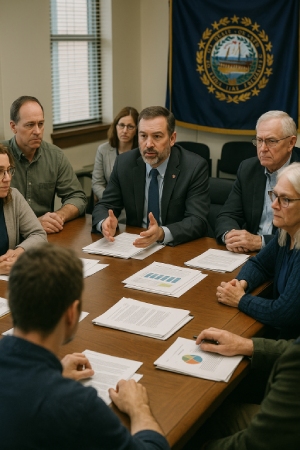
Budget decisions are closely tied to state revenue and tax policy. Legislators must balance the need to fund essential services with the impact of taxes on residents and businesses. This includes evaluating property taxes, income tax structures, and other revenue sources.
Understanding the relationship between revenue and expenditure helps citizens see the broader picture of fiscal responsibility. Public input and transparency in these discussions allow residents to participate in shaping policies that affect both the state’s finances and their personal economic well-being.
The New Hampshire budget exemplifies the state’s priories towards life viable for its residents. The choices in education, healthcare, and housing determine the price of services and the ability to avail them. If every citizen understands the budget debates, committee discussions, and legislative decisions, they will understand how financial decisions can be made and where his or her voice can make a difference.
An engaged citizenry seeks accountability on the distribution of resources. The assessment of the actions of those putting the budget into force keeps them accountable by empowering communities to push in policies instrumental to the future of New Hampshire.
Subscribe to our newsletter
Explore New Hampshire’s political issues, including energy policy, taxation, and education reform, and understand how they impact residents and communities.
New Hampshire
info[at]karolineforcongress.com
Copyright © karolineforcongress.com, 2026. All Rights Reserved.