
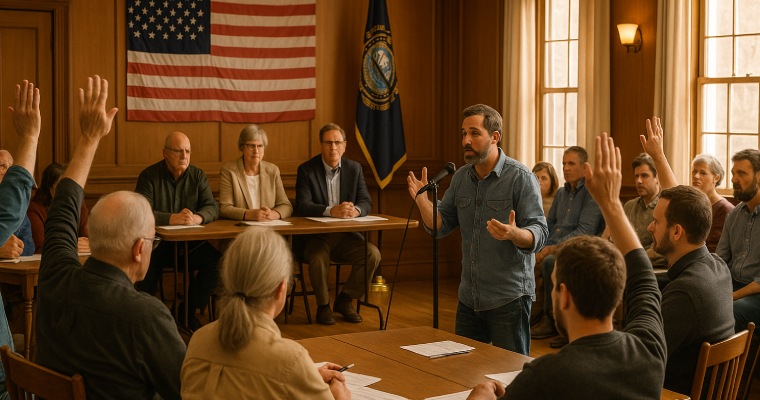
Town halls in New Hampshire are the cornerstone of local governance. They provide a platform where residents participate directly in decisions that shape the daily life of their communities. From adopting local ordinances to setting budgets for public services, town halls ensure that citizens have a voice in the priorities and policies affecting their neighborhoods. Understanding how these meetings operate and how state-level policies influence small towns is crucial for anyone invested in local governance.
One of the primary responsibilities of town halls is enacting local ordinances. These rules cover areas such as zoning, land use, public safety, and environmental regulations. By passing ordinances, local officials define how towns grow, how properties are used, and how residents interact with public spaces.
Town hall meetings are often open to the public, giving residents an opportunity to voice concerns or support for proposed ordinances. This transparency ensures that decisions are not only representative but also accountable. Residents can track meeting agendas, minutes, and voting outcomes through municipal websites or local notices, making it easier to stay informed and engaged.
Another crucial function of town halls is handling local budgets. Funding decisions impact schools, public works, emergency services, and recreational programs. Towns use property tax, state aid, and federal grants to support these services.
Town meetings allow residents to vote on specific budget items, giving direct input on priorities. Such decisions can affect how frequently roads are maintained and how much funding is granted to libraries or senior services. Active participation helps ensure that budgets serve the needs and values of the community and not just administrative priorities.
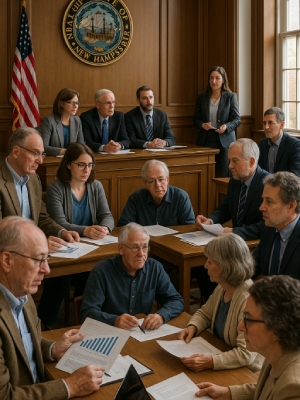
In terms of local decision-making, town halls do that. State policies, on the other hand, play a role in shaping what a town can do. A law passed in Concord can either augment or otherwise relate to municipal funding, zoning laws, environmental regulations, or education standards. The programs mandated by the state may direct the towns on how to allot their resources and hence how to decide on their budgets; such programs may also interfere with the availability of services.
Understanding state policy affords town residents an early chance to foresee events, lobby for an exemption or support, and ensure that their town's priorities will be taken into consideration in all the broader legislative discussions. Coordination between state- and local-level governments stands to keep public services efficient and fairly distributed.
Since its inception, town hall politics have been fueled by civic participation in New Hampshire. When local town-day, citizens attend meetings to peruse the agenda, take part in the vote and hold local officials to account. Such participation ensures transparency in municipal affairs and demands that any official, in their decisions, negotiate competing interests presented before them by the community.
Opposite to this, a town hall can make bigger policy decisions. When local governments communicate their needs to state representatives, they generally orient legislation towards better support for small towns. Thus, well-informed residents of local town issues and implications of state policy can take an active part in charting the course of their communities.
New Hampshire town halls are vital to local democracy. Through ordinances, budgeting, and active engagement, residents directly influence how their towns operate. State policies further shape these decisions, affecting funding, regulations, and community programs. By participating in town hall meetings and understanding the interplay between local and state governance, residents can ensure their towns remain responsive, accountable, and aligned with community priorities.
Subscribe to our newsletter
Explore New Hampshire’s political issues, including energy policy, taxation, and education reform, and understand how they impact residents and communities.
New Hampshire
info[at]karolineforcongress.com
Copyright © karolineforcongress.com, 2026. All Rights Reserved.